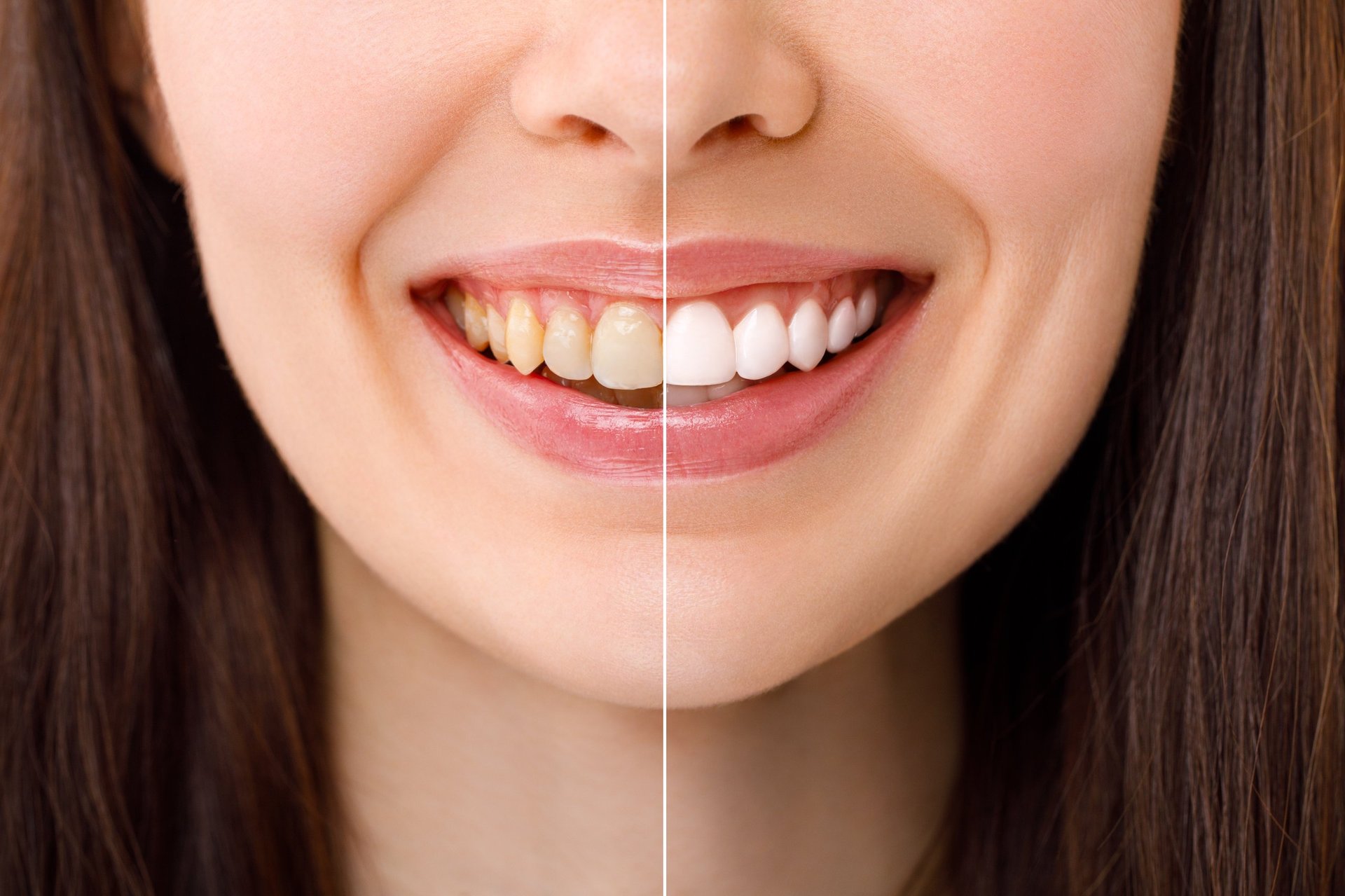
How Long Does Teeth Whitening Last?
What affects how long a whitening result lasts, when to talk about a top-up, and how to plan whitening around crowns and veneers.
Teeth whitening is not permanent. The colour change can last for months or years, but the duration varies with your teeth, the treatment and habits such as smoking or drinking staining beverages. Your dentist can discuss a maintenance plan, but cannot guarantee that a particular shade will last for a set time. The NHS teeth whitening guide notes that effects may last around three years when dental advice is followed; this is not a promised result for every patient.
If you are considering teeth whitening in Robina, ask about maintenance before choosing a treatment. The initial appointment is only one part of understanding what the procedure will involve.
Key points
- Whitening needs an oral health assessment first.
- Existing crowns, veneers and fillings retain their colour.
- Top-ups should follow your dentist's advice, with sensitivity considered.
What does "lasting" mean for whitening?
A result can fade gradually rather than disappear on a particular date. You might still see a difference from your starting colour while noticing that your teeth are less bright than immediately after treatment. Ask your dentist what changes are realistic for your teeth and how you will assess the result together.
It helps to distinguish the time needed to complete treatment from the time the colour change may remain. A take-home course can involve repeated applications over a prescribed period; an in-chair appointment follows a different protocol. Neither timetable tells you exactly when maintenance will be needed.
Does in-chair whitening last longer than take-home trays?
In-chair whitening is carried out at the clinic. A dentist-provided take-home system uses fitted trays and gel according to individual instructions. The Australian Dental Association explains that taking longer with a take-home method does not necessarily mean a better or worse final result. Read its whitening guidance for an overview of the options.
When comparing methods, ask what is included in the course, how sensitivity is managed and whether a take-home product is part of the plan. A claim that one method always lasts longer needs evidence relevant to the actual products and protocol being offered.
You can read more about our clinic-based whitening on our teeth whitening page and our professional whitening guide.
What can affect the colour of your teeth afterwards?
Ageing, smoking and staining drinks can affect tooth colour. Your original shade and the cause of discolouration also matter. At your consultation, describe what concerns you: a general change across your smile, surface staining or one tooth that looks different.
These are useful details to bring to the appointment because "my teeth look darker" does not identify the cause. For a single tooth that has changed colour, especially after an injury or treatment, ask for assessment before trying to whiten it yourself.
Continue your normal preventive care and arrange dental reviews and professional cleaning when recommended. Ask which habits are most relevant to your mouth and what aftercare applies to the product used.
How should you plan a whitening top-up?
Before repeating treatment, tell your dentist what product you used, when you used it and whether it caused discomfort. Bring the packaging or instructions if you have them. This gives the clinician something specific to assess rather than relying on a description such as "a whitening gel".
Ask how much gel to use, how long to apply it and when to stop. Do not extend the course or combine products to try to reach a lighter shade more quickly. Whitening can cause sensitivity and irritation; Healthdirect's whitening information explains these risks and the importance of dental supervision.
What if you have crowns, veneers or fillings?
Whitening changes natural tooth colour, not the shade of existing restorations. That can leave a visible mismatch. If you are also considering porcelain or composite veneers or a new crown, discuss colour planning before either procedure.
Ask which teeth will be visible when you smile, which already have restorations and whether any proposed work would be affected by the colour change. A consultation can help you understand the sequence and avoid choosing a target shade without considering the rest of your mouth.
What should a whitening quote include?
Request a current estimate for the proposed treatment. Ask whether the assessment, trays, gel, reviews and maintenance products are included or charged separately. If the dentist recommends treating an oral health problem first, ask for that cost to be explained separately.
This makes different options easier to compare. You can also read our payment information before your visit. A price advertised for another person's treatment is not an individual quote for your care.
Frequently asked questions
Can whitening last forever?
How often should I repeat whitening?
Will extra gel make the result last longer?
Can I whiten veneers when they look darker?
What if whitening makes my teeth sensitive?
Should I book an assessment before whitening?
Discuss your whitening plan in Robina
Bring your questions about shade, sensitivity and future costs to a consultation. Our team can explain whether whitening is suitable and help you compare the proposed treatment with your goals.
Book a whitening assessment
Or call (07) 5580 9666 to talk through your options. Located at Suite 8, Eastside Building, 6 Waterfront Place, Robina.
Robina Dental
Online now
Hi! 👋 Welcome to Robina Dental Group. How can we help you today?
Please fill out the form below and we'll get back to you as soon as possible.