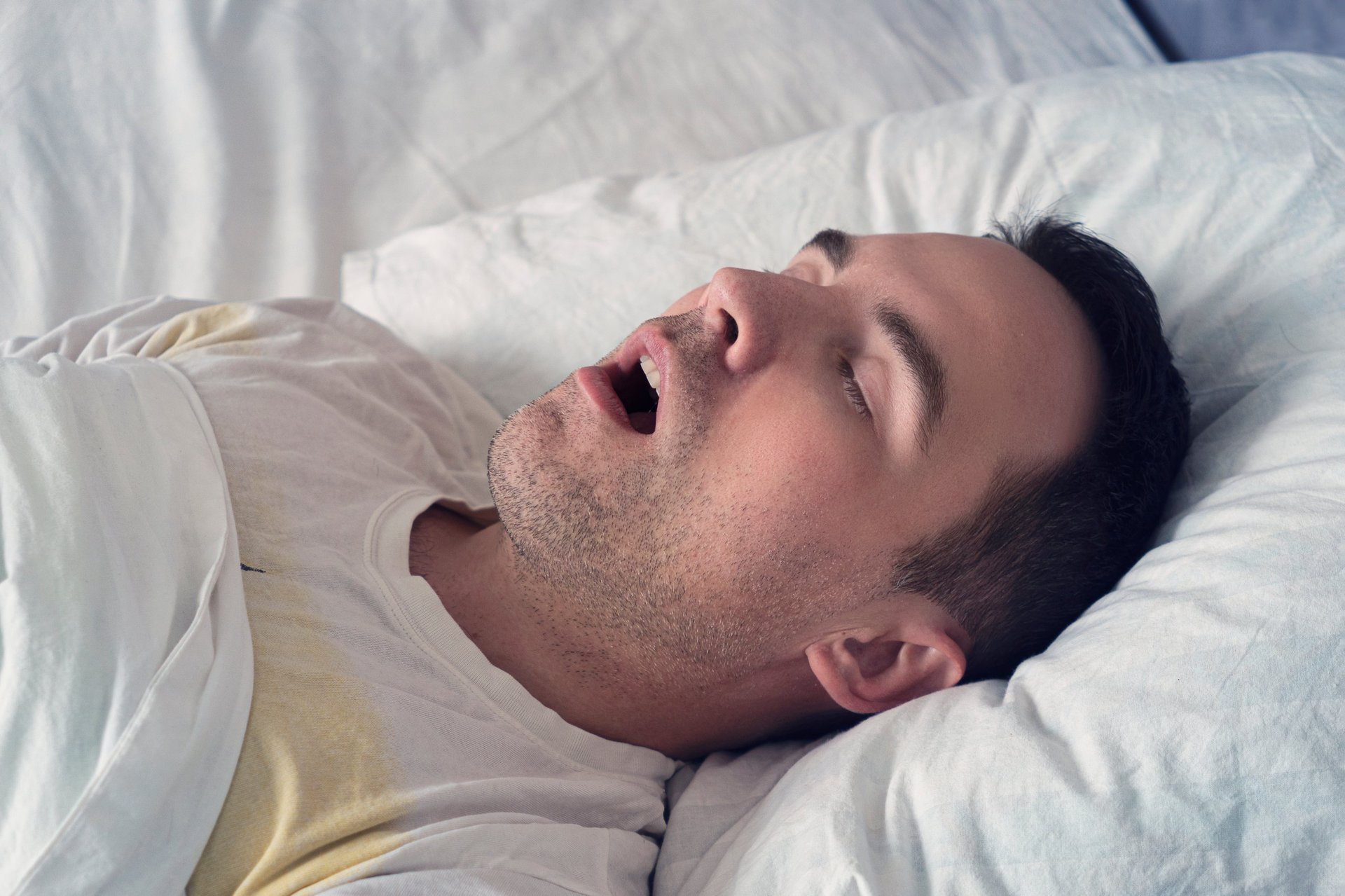
Why Am I Snoring? 7 Common Causes and How Laser Treatment Can Help
Snoring affects millions of Australians and is often dismissed as a harmless annoyance. However, persistent snoring can impact sleep quality, strain relationships, and sometimes indicate an underlying health issue such as sleep apnea.
Understanding the cause of your snoring is the first step towards finding an effective solution. Fortunately, modern treatments such as Fotona Snore-Lase laser therapy offer a comfortable, non-surgical approach to reducing snoring and improving sleep quality.
1. Relaxed Throat Muscles
During sleep, the muscles in your throat naturally relax. In some people, these tissues relax excessively and partially block the airway, causing vibrations that produce snoring sounds.
2. Excess Weight
Carrying extra weight around the neck can place pressure on the airway, making it more likely to narrow during sleep. Even a small reduction in weight can sometimes help reduce snoring severity.
3. Sleeping Position
People who sleep on their backs are more likely to snore because gravity causes the tongue and soft tissues to fall backward, narrowing the airway.
4. Nasal Congestion
Blocked nasal passages due to allergies, colds, or sinus issues can force you to breathe through your mouth, increasing the likelihood of snoring.
5. Age-Related Changes
As we age, throat tissues naturally lose elasticity and muscle tone. This can contribute to increased airway vibration and louder snoring.
6. Alcohol Consumption
Alcohol relaxes the muscles of the throat and tongue, increasing airway obstruction during sleep and often making snoring worse.
7. Sleep Apnea
Snoring can sometimes be a symptom of obstructive sleep apnea, a condition where breathing repeatedly stops and starts throughout the night. Sleep apnea may cause excessive daytime fatigue, poor concentration, and other health concerns. Read more about when snoring becomes a health concern.
Tip: If you experience daytime sleepiness, morning headaches, or gasping for air during sleep, consult a healthcare professional to assess whether you may have sleep apnea.
How Does Laser Treatment Help?
At Robina Dental Group, we offer Fotona Snore-Lase laser treatment, an advanced, non-invasive solution designed to reduce airway obstruction.
The treatment uses gentle laser energy to stimulate collagen production within the throat tissues. This natural tightening effect helps improve airway patency and reduce tissue vibration that contributes to snoring.
Unlike surgery, Snore-Lase treatment requires no incisions, no medication, and no downtime, allowing patients to return to their normal activities immediately after treatment. You can book a consultation via our contact page to discuss whether this option suits you.
Gentle Laser Energy
Non-invasive laser stimulates natural collagen production in throat tissues.
No Downtime
Return to normal activities immediately after treatment with no recovery period.
Non-Surgical
No incisions, no medication, and minimal discomfort throughout treatment.
Better Sleep
Improved airway patency means quieter, more restful sleep for you and your partner.
Take the First Step Towards Better Sleep
If snoring is affecting your sleep or your partner's sleep, it may be time to explore treatment options. A professional assessment can help identify the cause of your snoring and determine whether Fotona Snore-Lase laser therapy may be suitable for you.
Contact Robina Dental Group today to learn more about our advanced laser treatment for snoring and sleep apnea. Our experienced team is here to help you achieve quieter, more restful sleep and improve your overall health and wellbeing.
Ready to Stop Snoring?
Don't let snoring affect your health and relationships. Our Fotona Snore-Lase treatment could be the solution you've been looking for.